


In this edition:
This is the most confusing time in the age of AI
The 10 human in-person marketing tactics to try today
What I’m reading: The Compound Effect
News about my services: the spot was filled!
The news is awash in negative headlines about AI:
A recent CNN poll says that 75% of Americans say they feel fear and concern about AI.
Gallup said that 27% of workers now fear their job might disappear.
The Tech Times said 225,000 tech workers were laid off since January because of AI.
But the AI models keep advancing at record speeds, with Fable 5.1 and GPT-6 Astra able to reason and do more than we could have ever imagined.
We’re at this weird inflection point where more people want to learn AI, but more people are suspicious of AI.
AI has erased trust, so marketers are starting something old and new
It’s inescapable and inevitable: people don’t know what’s real or fake anymore.
Bryan Eisenberg, in a recent LinkedIn post, said:
“One prompt now makes anyone sound like they have decades of experience. Jeffrey and I started conversion optimization work in the late 1990s. A prompt can copy how I sound.”
And this is frustrating, because AI was supposed to be the great equalizer.
For those of us who didn’t have the time to write the deeply researched blog post, or film the 20-minute video, AI was a godsend.
Or was it?
Because you see, when the cost for doing something goes to zero, the value goes to zero as well.
Content used to be valuable because it took effort and original thinking.
But with the ease of a quick prompt, we can write a whole book, create a slick video, or compose a blues song about a lost love.
It’s time to stake your claim in the last un-polluted channel left
GaryVee is always encouraging his fans to flock to the next new social networking site so you can be the first one to stake your claim as a leading voice in that channel.
We’ve seen this happen with every major social network.
I remember the good old days when you could still go viral on Facebook by pasting a link to a blog post you’d written.
Can you imagine that? Pasting a link that goes viral!
But around 2014, Facebook’s algorithm started suppressing organic content so they could make money for their shareholders, and the land rush was officially dead.
Then people started rushing to LinkedIn, Instagram, Snapchat, Google Plus (RIP), ClubHouse (RIP), TikTok, Threads, BlueSky, Twitter/X (again).
All saturated. Al ruined by marketers.
But there is one channel left...
In-person human marketing is the next unclaimed marketing channel
In-person workshops. Chamber of commerce meetings. Physical events. One-on-one meetings at your local country club: these are all making a come-back…with a vengeance.
And they’re starting to become popular because they have trust built into them.
You can see, hear, touch the people at your local networking event. You know they’re not a HeyGen YouTube avatar.
The 10 human, in-person marketing tactics to try today
So what are these 10-in person, human marketing tactics?
I. Get in the room
1. Become the most useful person at your local chamber.
This is the move invented by Bryan Eisenberg, the Godfather of conversion rate optimization. He’s at every ribbon cutting. He helps organize events. He advises companies on their marketing strategies. He’s become the de facto “mayor” of the Round Rock chamber of commerce.
2. Hold court where your buyers already pay to be.
My friend Jenaro “Jedi” Diaz, founder of AI startup Smarts.AI, holds court at Great Hills Country Club in Austin. The brilliance of this move: the successful local business owners are all members there. He has a built-in audience to do one-on-ones with.
3. Take the speaking slots in the towns nobody’s working.
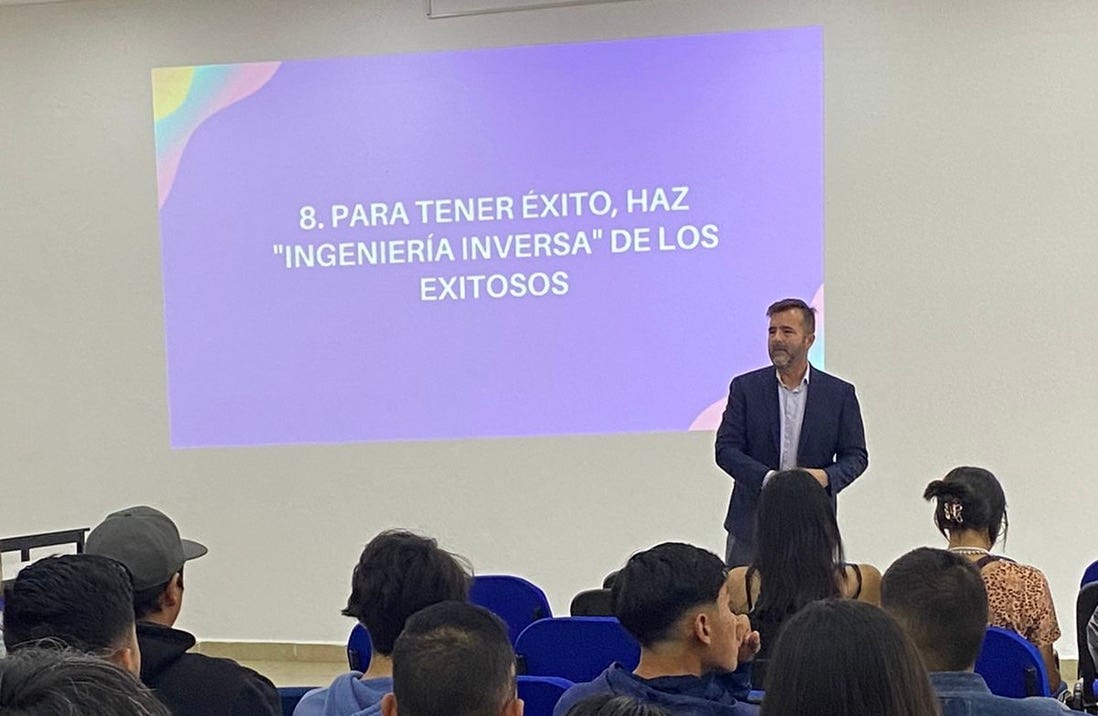
This is another Jenaro tactic. He’s joined all the local chambers of commerce in the bedroom communities north of Austin. Just the other day I saw him on an AI startup panel in Pflugerville. Not SXSW. Pflugerville!
4. Volunteer where there’s nothing in it for you.
Volunteer at your local accelerator in the historically disadvantaged part of town. There is a LOT of entrepreneurial activity there. I did this for years at EGBI in East Austin, and every city has an organization like this.
II. Make it a habit, not an event
5. Run a recurring workshop at the quiet hour nobody competes for.
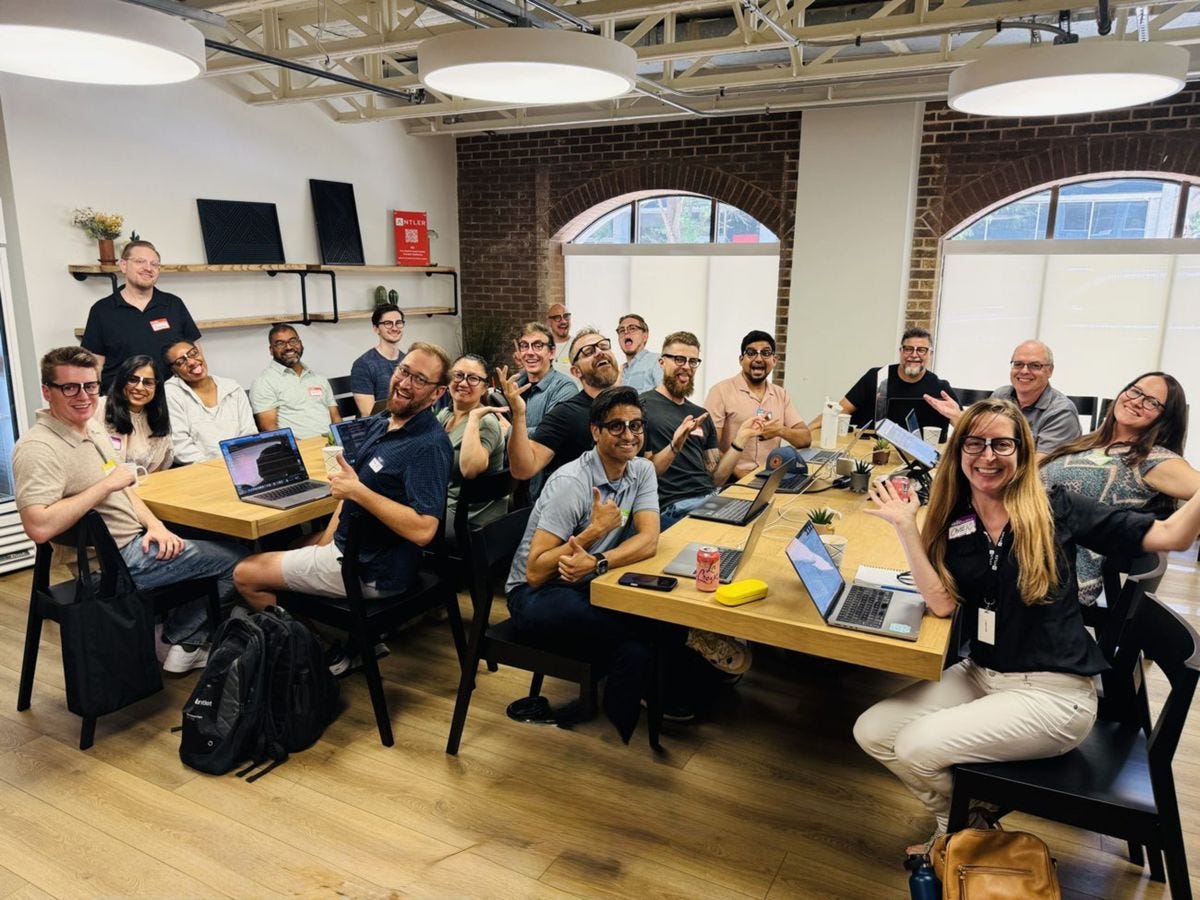
Chrissy McDannell, founder of boutique M&A advisory The Magnola Firm, holds the AI Implementation Club every Sunday at Antler VC in downtown Austin.
For two to three hours Chrissy teaches 8-10 solopreneurs, entrepreneurs, moms and students how to build AI agents, workflows and skills.
Sundays are quiet. No emails, no clients, no team. People are out by four in time to plan for Monday.
6. Start a local podcast and interview local people.
Bryan Eisenberg makes another appearance here. He started the Rock Solid Round Rock podcast to interview local luminaries, Council members, new business owners, nonprofit people. These are the people in your neighborhood. You know who they are. HeyGen can’t fake this.
7. Invite eight people by name. Never a post.
This isn’t really a tactic so much as a mindset you can apply to most of the tactics here: invite up to eight people to your workshop, event, to a one-on-one.
Don’t do email marketing to them. Don’t post it on social media. Just invite them!
III. Make it travel
8. Put a camera on the in-person thing.
When Bryan Funk was VP of Marketing at Virtuous CRM, he flew real thought leaders into Virtuous’ swanky warehouse offices where they had built two stages, hired a film crew, and held a series of virtual summits with in-person speakers streamed live to an in-home audience.
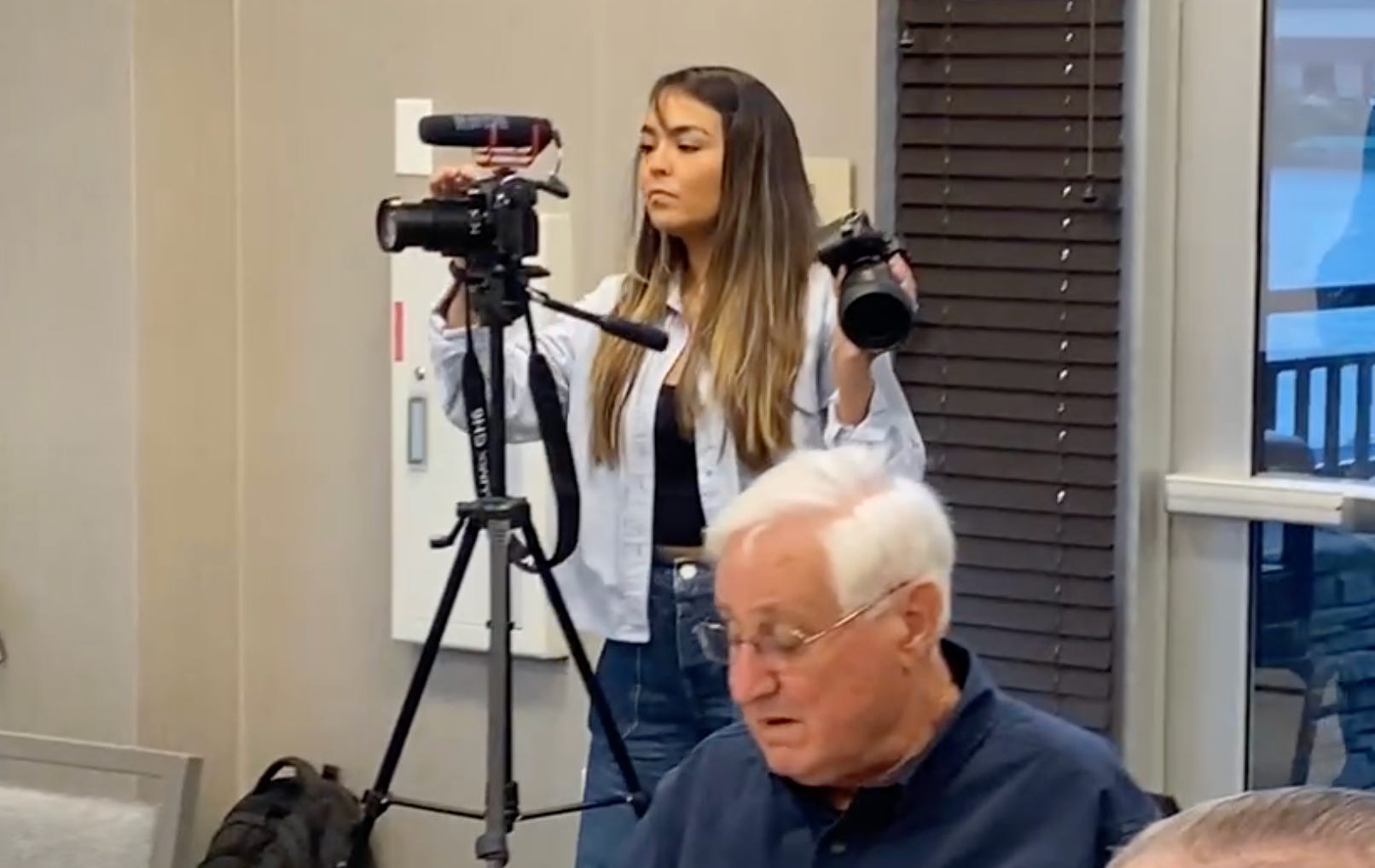
But you don’t have to organize a whole summit. If you’re already speaking at the chamber, add a camera and stream it to your YouTube channel.
9. Turn your brain into a product, after the room proves it works.
Dana Snyder, founder of Positive Equation, turned her twenty years in nonprofit fundraising into a proprietary continuous fundraising concept (this is an example of her inventing her own personal category). Then she started advising large nonprofits how to implement continuous fundraising.
She then wrote a book, started a podcast, and started noticing something: the majority of nonprofits were small, ma-and-pa organizations who could never afford her.
After proving her model with large nonprofits, she created DanaGPT, trained it on her book and podcast transcripts, and now smaller nonprofits get access to her “brain” for only $50 a month,
10. Convene the whole thing yourself.
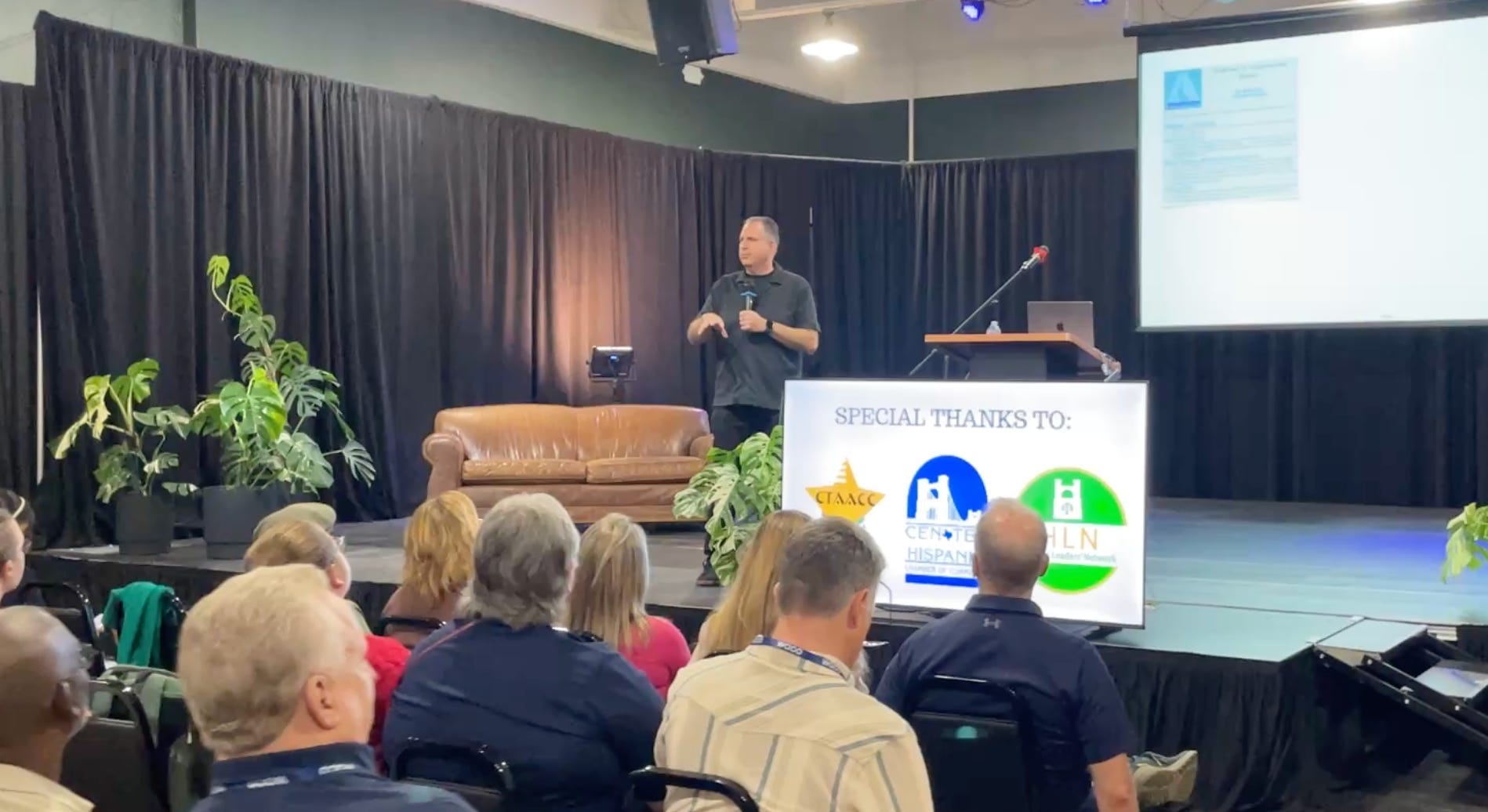
This is frankly the hardest one, and maybe proves I’m a bit of a masochist. I organized a whole conference, with my friends at Rogue Media Network, to gather local Waco businesses to learn about AI at the YouXAI Summit.
This is not something you do every quarter, but it puts real people together into a trusting environment to learn something that felt really hard from a distance.
Your homework for next week
Choose one of these ten tactics, and put something on the calendar.
Drop me a line here (reply to this email, or comment below on the article). I want to hear what human, in-person marketing you’re doing!
What I’m reading today: The Compound Effect by Darren Hardy
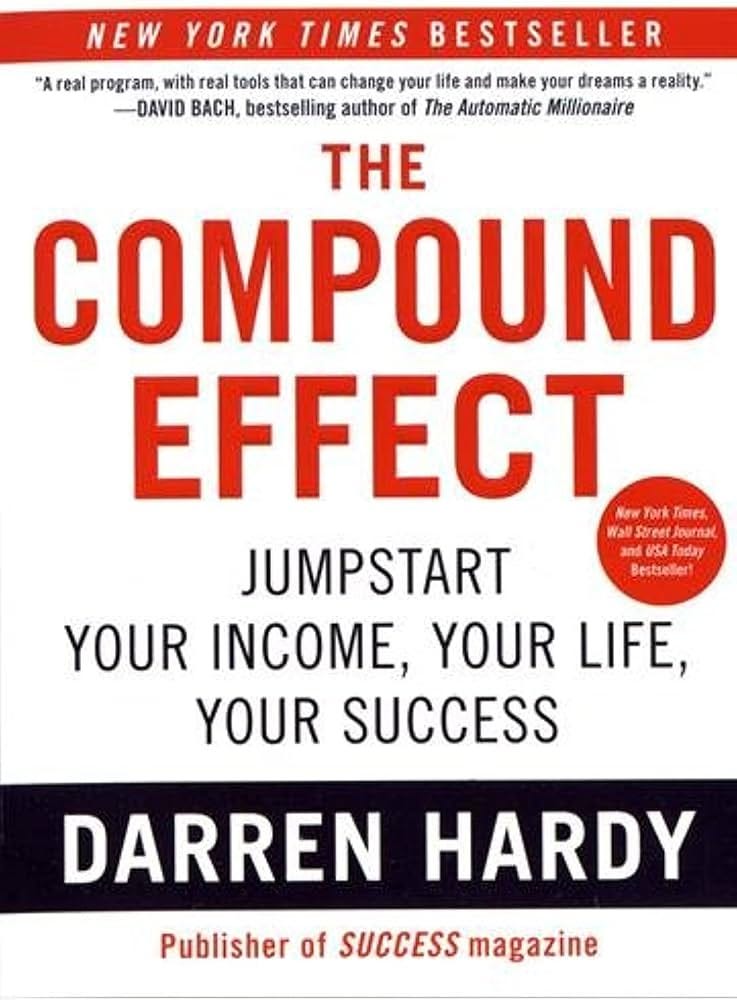
This book is an oldy but goody, and it was inspired by a Substack newsletter edition from Tim Denning, the straight-talking Australian business coach and founder of Modern Freedom.
The email that f#$%ed with my mind
I started subscribing to Tim’s newsletter back in May, but as always happens, I subscribe to something, read a few issues, then ignore it.
But this email caught my attention, because the subject line was so provocative:
“Your entire life changes when you realize 99% of society is stupid.” (You can read it here).
And the section that stopped me cold in my tracks:
Every goal or how-to in any field boils down to the cookie-cutter basics of self-improvement that are so cliche at this point in history that I feel disgusting and like I need to have a shower for sharing them here with you.
For humans to NOT be lazy & stupid and get stuff done, they must: make their goals daily habits, have the right mindset (optimism), record their results, hang around others with similar goals, take action daily, and learn from those who have already achieved a similar goal. There you go… that’s my Jim Rohn speech from 1970.
It’s so simple yet no one does it.
I started ruminating on what he said there, because he’s right. It’s so cliche, so basic. Every successful person does it, yet so few people do it.
I asked ChatGPT what book it would recommend for this kind of stuff…you know, to just remind me of the basics. And it recommended a book I already had in my Kindle library: The Compound Effect by Darren Hardy.
Darren Hardy was raised by a single dad. He remembers waking up to the sounds of clanging barbells because his dad was pumping iron in the garage at 6 in the morning.
He had a long list of chores to do when he got home from school. No time to chill on the couch and watch Batman & Robin.
Darren was mentored personally by Jim Rohn, and then he started Success Magazine to study the success habits of the most outstanding business leaders.
To say Darren embodies the basic success principles is an understatement.
And his book is brilliant in its simplicity.
Everybody should read it if you want to adopt the daily habits that will compound over time and make you a roaring succes.
The Spot Was Filled
A quick note about the last few emails about my consulting opening: the spot was filled. If you’re still interested in learning more, I’ll be happy to meet with you.
See you next week!
Best,
Fernando Labastida